Biochemistry gets described a lot as the place where biology and chemistry meet, and I get why people say that, but it never feels quite right. It makes it sound like you can just stack the two subjects together and call it a day. In reality, biochemistry is more like asking what happens when chemistry is forced to behave inside something that’s alive. Molecules don’t just react because the conditions are right; they react because the cell needs them to, because survival depends on timing, control, and balance. Enzymes don’t just speed things up in a neat, textbook way, they quietly decide what can happen and what can’t. Proteins fold the way they do not because it’s chemically convenient, but because a slight mistake can mean dysfunction, disease, or death. Chemistry on its own doesn’t worry about purpose, and biology on its own can sometimes stop at description. Biochemistry sits uncomfortably between them, asking why these reactions exist at all and how they’re kept from falling into chaos. It’s a field built around restraint as much as reaction, around regulation as much as energy. That’s why it feels wrong to call it just an intersection. It’s its own way of looking at life, one that insists that living systems are chemical, yes, but never simple.
What counts as biochemistry?
Enzymes and metabolism
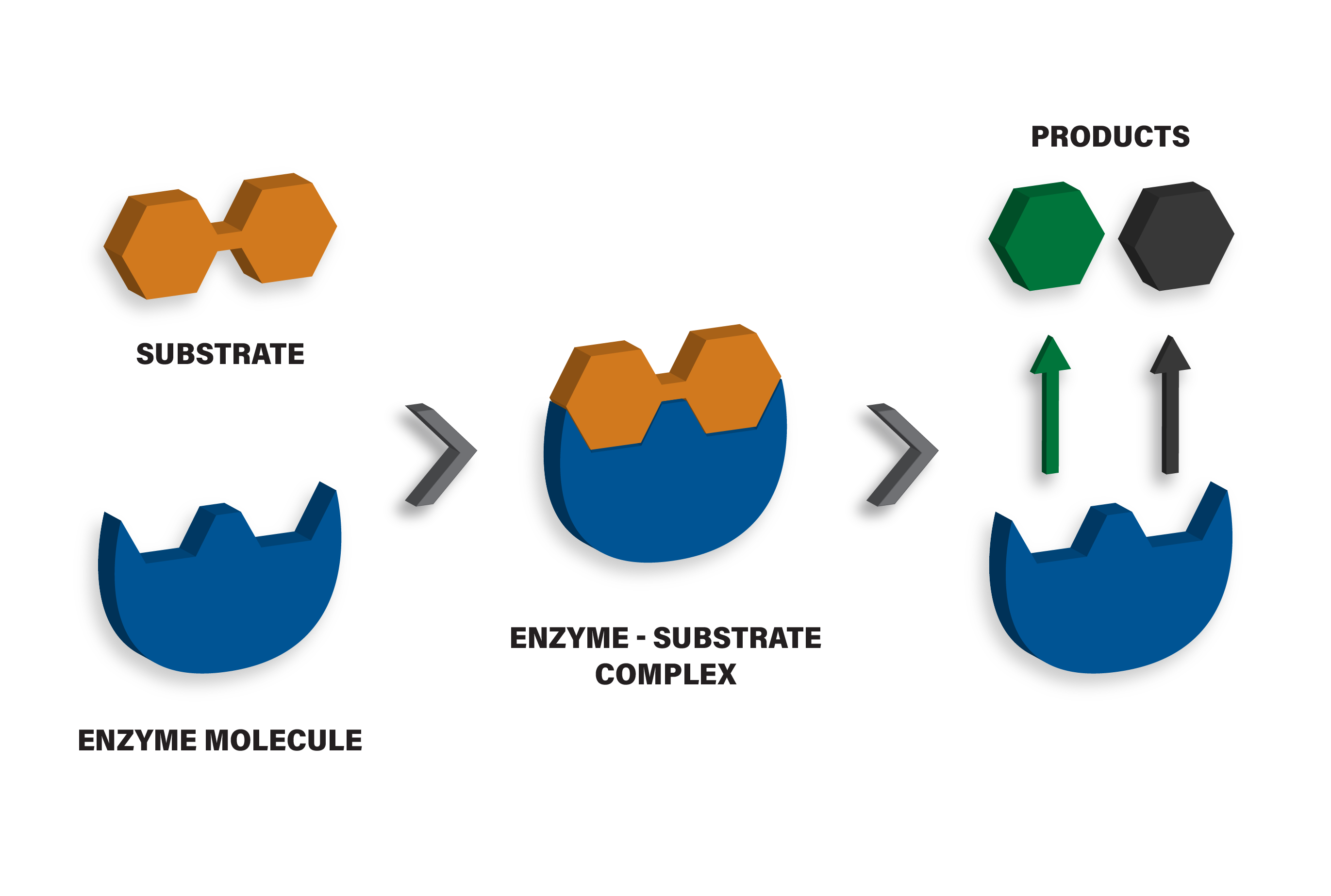
Inside a cell, reactions don’t happen because molecules randomly collide often enough. Enzymes decide what gets to exist and when. A metabolic pathway is not a straight road but a series of guarded doors, each enzyme opening one step and closing it just as quickly. Without that control, the chemistry of life would burn itself out.
Protein folding
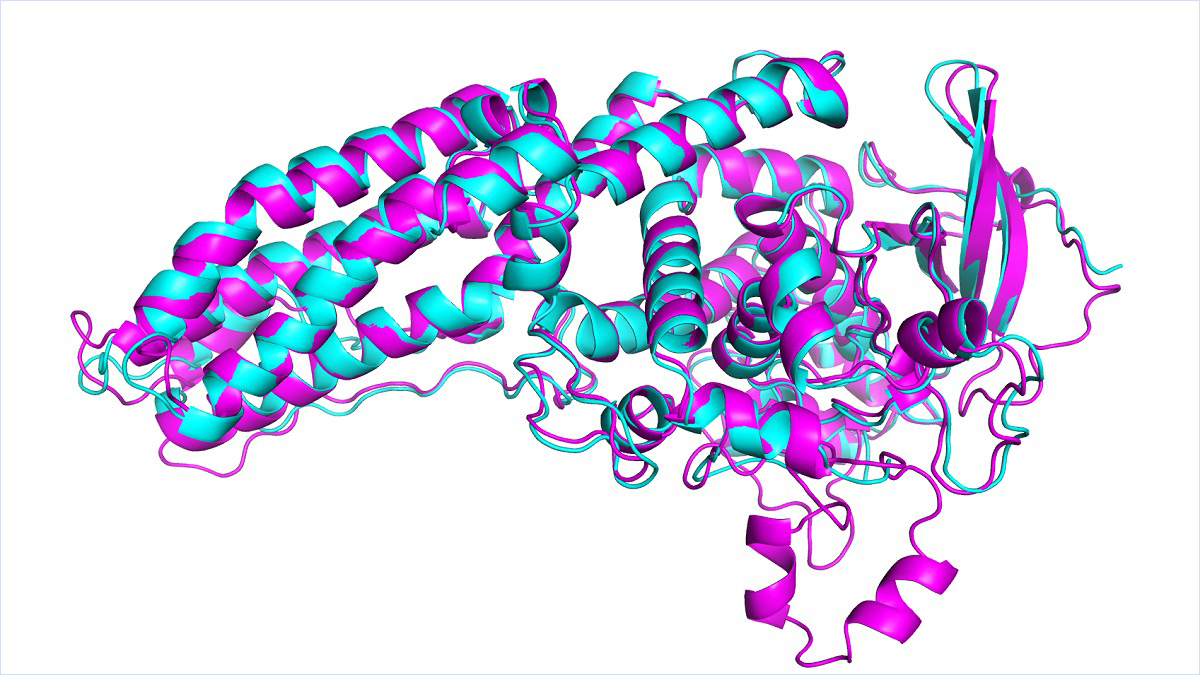
A protein begins as a simple chain of amino acids, nothing impressive on its own. But it folds, slowly and sometimes incorrectly, into a shape that decides its entire future. One wrong fold can turn a helpful molecule into something useless or even harmful. Chemistry explains the bonds, but biochemistry explains why the cell cares so much about getting the shape right.
DNA replication
Copying DNA looks mechanical on paper, like a predictable chemical process. In reality, it’s careful, almost anxious work. Enzymes check, pause, correct mistakes, and try again because errors don’t stay small for long. A single mispairing can echo through generations of cells.

 The Biochem Journal
Leave a comment